By Maile Cacal, PR Coordinator
Attending college provides a great chance to tap into essential resources, gain industry knowledge, and discover a career path that truly resonates with you. I was fortunate enough to pursue my interests through higher education, eventually finding my way into Public Relations, a field I hadn’t even heard of before starting my degree.
To provide some context, my journey began in Maui, Hawai’i, where my fascination with media was discovered during high school. After developing a passion for writing and camera work, I started college with the intention of becoming a broadcast reporter. However, I soon discovered a wide range of career paths that allowed me to leverage my skills more effectively, ultimately leading me to find my niche in PR.
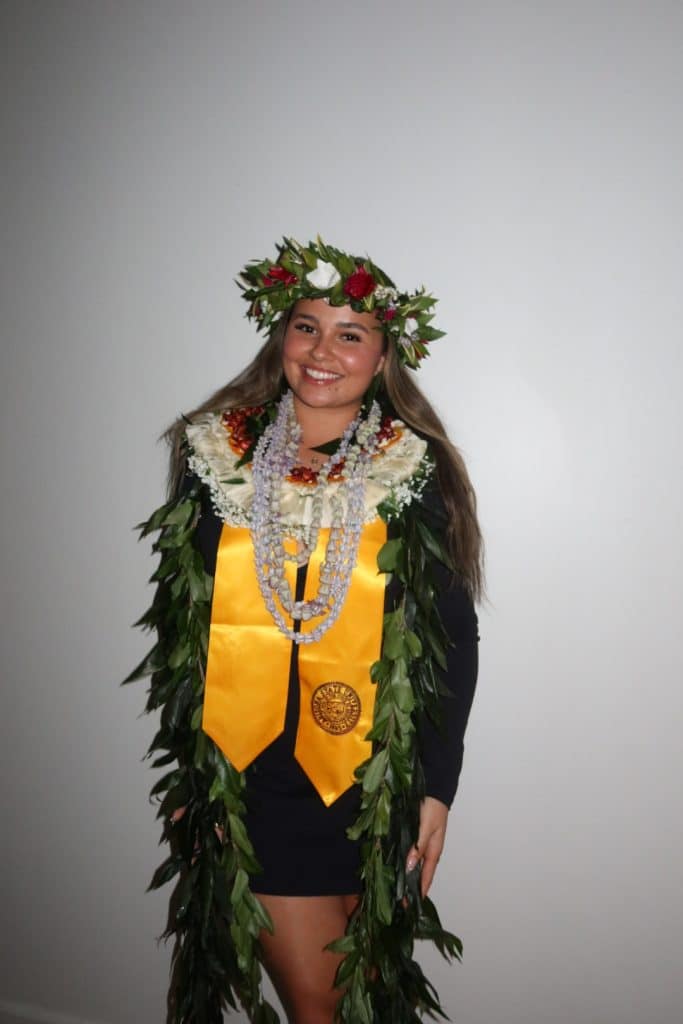
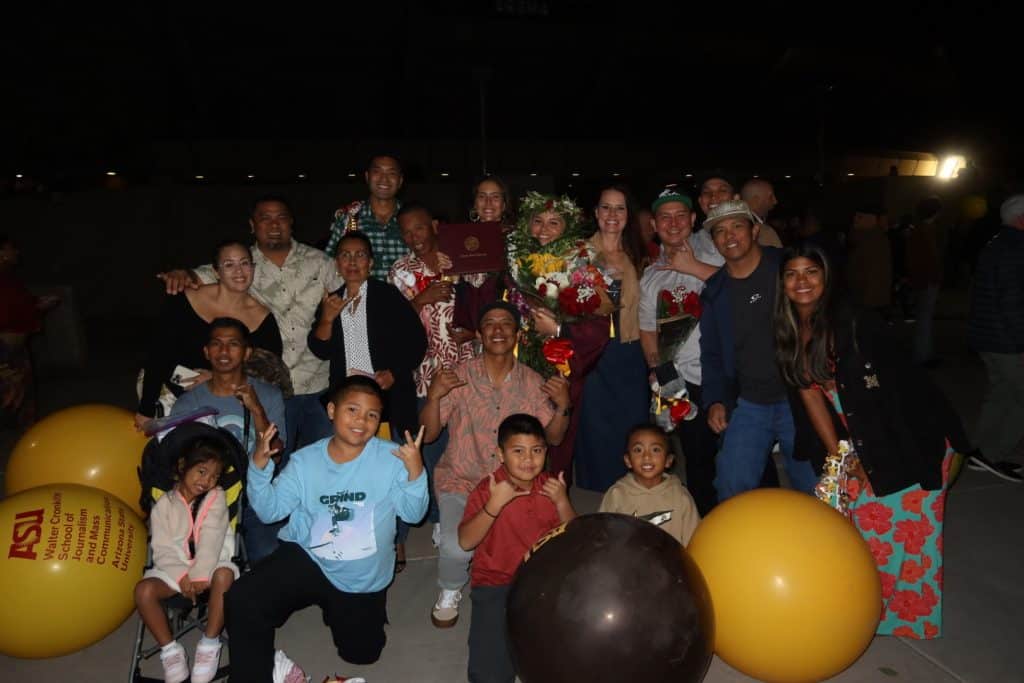
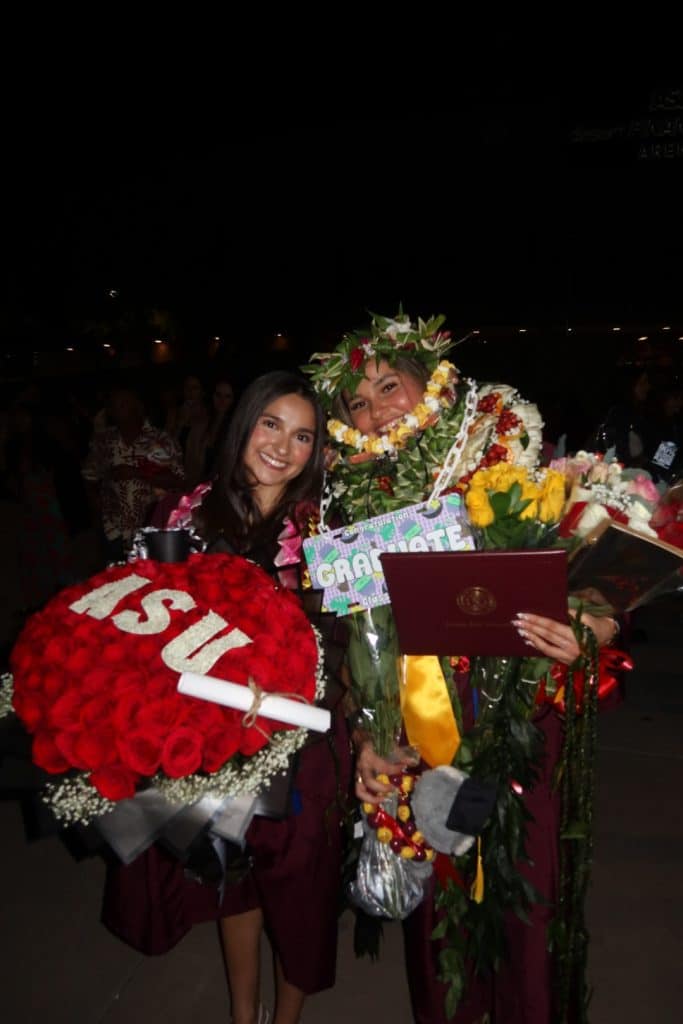
As a recent graduate of the Walter Cronkite School of Journalism and Mass Communication, I have a lot of pride and personally claim it’s the best journalism school in the country. Talk about constantly evolving and growing in the media landscape, I learned nearly everything I know and developed complex skills in this program. However, there are some things professors and mentors can’t teach you. These things you realize based on personal experience.
What You Give Is What You Get
Professors can teach you different writing styles, how to elevate your language in your writing, grammar, etc. Things like how to write a press release, byline, and AP style are all fundamental skills to have when becoming a PR specialist.
Professors can assign homework, ensure students are productive during class, and make sure their presentations are a success by the end of the semester. But they can’t control what you do outside of class time.
Signing up for extracurriculars like clubs, associations, study groups, and things that will benefit your career is up to you. Ensuring you’re staying up to date on the news, social media, and now influencers is a full-time job, but it’s something that builds knowledge and a habit that no professor can teach you.
It’s like applying for scholarships. Some kids don’t understand the hustle because they fortunately aren’t in a position where they need financial support outside of their family. For those who want to further their education or attend their dream school, scholarships are another example to prove that you can receive what you want if you put the work, time, and effort into it.
In personal experience, I made it my goal to come out of college debt-free, which took applying for scholarships every day in my free time, applying for FAFSA, and keeping my GPA high to be academically recognized. I also invested in studying abroad, summer programs, and internships. I can confidently say I am debt-free, with the majority of my school covered through scholarships and financial aid because of the hard work and extra things I did for myself. Pulling this off financially was something that no teacher taught me.
My Point: Having a strong work ethic is extremely important to succeed in PR and in any job. School isn’t enough to become well-versed in your career. It takes dedication, overtime, and initiative within yourself. Professors and PR pros can teach you how to write, pitch, and build media lists, but your work ethic is not a quality or skill anyone can teach you; it comes from within yourself.
Your Network Is Your Networth
You hear this phrase often in your later years of college. Specifically in PR, your personality is most likely outgoing and you’re not afraid to hold a conversation. Beyond the classroom and reflecting on my college experience, I don’t think that as students we realize PR is a true personality. Meeting new people, attending seminars, and even saluting the person you pass in the hall are ways to meet other professionals and colleagues. This is so important because you never know when that connection will matter later in your career.
Beyond staying in touch with teachers, finding mentorship is important. PR is an industry that normally isn’t exposed until you enter higher education, so you have to catch up quickly. Building a broad network within the media landscape, including event planners, videographers, broadcasters, and public information officers, is essential, as PR plays a critical role within that larger professional ecosystem.
In 2024, I attended the PRSSA ICON Conference in Anaheim. It was one of the first times I got out of my comfort zone and started connecting with professionals in the industry. I met this lady who was then the president of PRSA Phoenix Chapter, and it was a light conversation and a quick introduction. Two years later, I reached out to her as I was getting ready for graduation, seeking advice and mentorship on where I should take my career path and interviewing processes. Fast-forwarding to the week of graduation, I got a call and was offered a position as a PR Coordinator at Proof Publicity.
My Point: You never know when a person you meet in the professional landscape will benefit you in the future. I am a firm believer that people always cross paths more than once, and depending on how you foster those relationships, come great outcomes. Stepping out of your comfort zone early as a PR professional is crucial. Things like “informational interviews” or grabbing coffee to build a personal connection often pay off for the future. It shows initiative, confidence, and your value proposition. Something school didn’t teach me.
Mastering Your Media Market
Understanding media market rankings is vital; smaller markets may have limited outlets, while larger ones are often oversaturated with niche publications covering topics like travel or food. While school teaches you about local TV and newspapers, you often overlook high-value assets like podcasts, local freelance contributors to major outlets like Forbes, and the specific influencers your target audience follows on social media.
In an era of shortening attention spans and news consumption shifting to social media, it is critical to recognize how your specific community digests information. Professors show you how to identify publications and stories that might interest a journalist, but identifying the actual audience the client needs to reach is a step that is easily missed.
For example, if a coffee shop wants to attract students, pitching a campus paper may be more effective than a general restaurant reporter. While landing a story in a major publication with high Unique Visitors Per Month (UVMs) is a common goal, reaching a smaller, niche audience often provides more value than a segment in the local newspaper.
My Takeaway: Success in PR requires balancing a client’s goals with the realities of the media market. Whether the aim is a national feature or reaching a specific local demographic, quality and relevance matter more to clients than quantity.
Some of Your Efforts May Go Unseen or Lose its Value
PR requires a lot of background knowledge, especially if you work with clients who are regional and national. Having to learn about different media markets, trying to connect with reporters, and stalking people is an internal responsibility. But on the client side, there are so many moving parts. Whether they have a new restaurant menu debuting, an event, or a grand opening, there are so many things that can get pushed back, rushed or wrapped completely.
Strict timelines and deadlines aren’t a thing in PR. Something I never learned in school was how fast a client will shift a project, and the hours and days you spent gathering contacts can become useless the moment a client doesn’t see value in it or the client goes a different direction.
This also introduces the concept of newsjacking. A term and strategy I never encountered during school, and not till I started my job. It is an incredibly effective method for securing media coverage by aligning your client’s narrative with current trends, however you’ll never know when that right moment will come.
For instance, a pool and landscape company becomes valuable insight when Arizona hits monsoon season, and reports of damaged backyards are the hot topic. The reality of the industry is that breaking news can instantly shift the media landscape. When a trend takes over, your original pitch might become irrelevant, but it simultaneously creates a fresh opportunity to reposition your client at the center of the conversation.
It’s a challenge because when you’re in school, there is so much structure, knowing that assignments are due and those dates rarely change. In PR, things can change so quickly. When you plan to work on a media kit for a grand opening for the day, all of a sudden, you get a call and drop everything for a crisis communication situation that’s far more important.
My Takeaway: To combat this, adjust to the constant change and always save old research that might be valuable in the future. Saving all of my work gives me some peace of mind, but wasting time is a personal pet peeve of mine, so I’m still learning.
The Bottom Line
No degree fully prepares you for the realities of PR. School gives you the foundation, but the hustle, the relationships, and the ability to pivot on a dime? That comes from showing up, staying curious, and refusing to wait for someone to hand you an opportunity. The professionals who thrive in this industry are the ones who put in the work nobody sees, are two steps ahead of the news cycle, and treat every connection as if it matters because it does.
As a new PR coordinator breaking into the industry, I am always looking for insight to become a better writer, expand my knowledge, and see where my career can take me. Any student, recent grad, or someone considering a career in PR, I’d also love to connect and share more in-depth about my journey and help in any way possible.
Let’s connect on LinkedIn, and don’t hesitate to reach out to me directly!