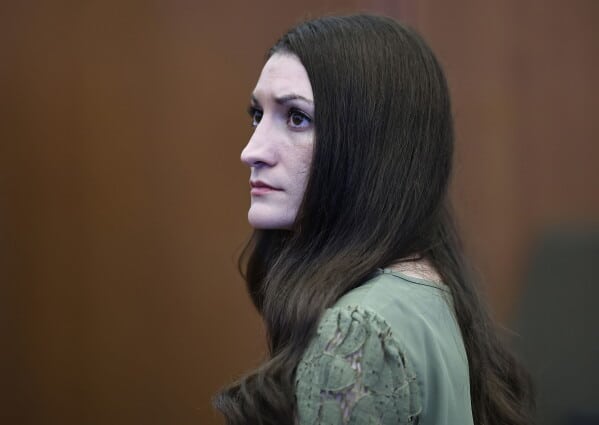
When the Lindsay Clancy trial put postpartum psychosis in the national spotlight, we saw a chance to bring real clinical expertise into a conversation a lot of people were struggling to make sense of. Moments like this test healthcare PR. The story is huge, and the stakes are even higher.
We didn’t put our client in the story
The trial asked one hard question. Clancy wasn’t disputing what happened. The fight was over her mental state at the time. Coverage was everywhere, and much of it stayed inside the courtroom.
We didn’t want to insert our client into the case itself. Instead, we focused on what our expert could actually add.
Dr. Andrea Raby, DO, is a board-certified psychiatrist and mental health advisor for our client Prickly Pear Health. She could speak to something bigger than one trial. She could explain why postpartum psychosis still gets missed so often, and what’s actually changing in how it’s caught earlier. That’s the health story underneath the headlines.
Where the conversation happens matters
The right message still needs the right room. Among U.S. podcast listeners, women are almost twice as likely as men to regularly listen to true crime podcasts, 44% compared with 23%, according to Pew Research Center. That’s exactly the audience who needed to hear this.
So we secured Dr. Raby a booking on Forbes True Crime. She spoke to the clinical reality of postpartum psychosis, not the case itself.
Watch the full Forbes True Crime interview.
What this means for healthcare PR
Trending news can open doors for healthcare organizations. It can also close them fast. We follow a few rules.
First, lead with what your expert knows, not what they think about the news. Second, match the outlet to the audience who needs the information most. Finally, choose a spokesperson with real credentials. On a topic this sensitive, anything less can do real harm.
Moments like this only work with the right strategy and the right spokesperson, especially on a topic that matters this much.
Proof Publicity works with healthcare and behavioral health organizations on responsible, expert-led storytelling. For another example, read How One Client Story Became Five National Placements.